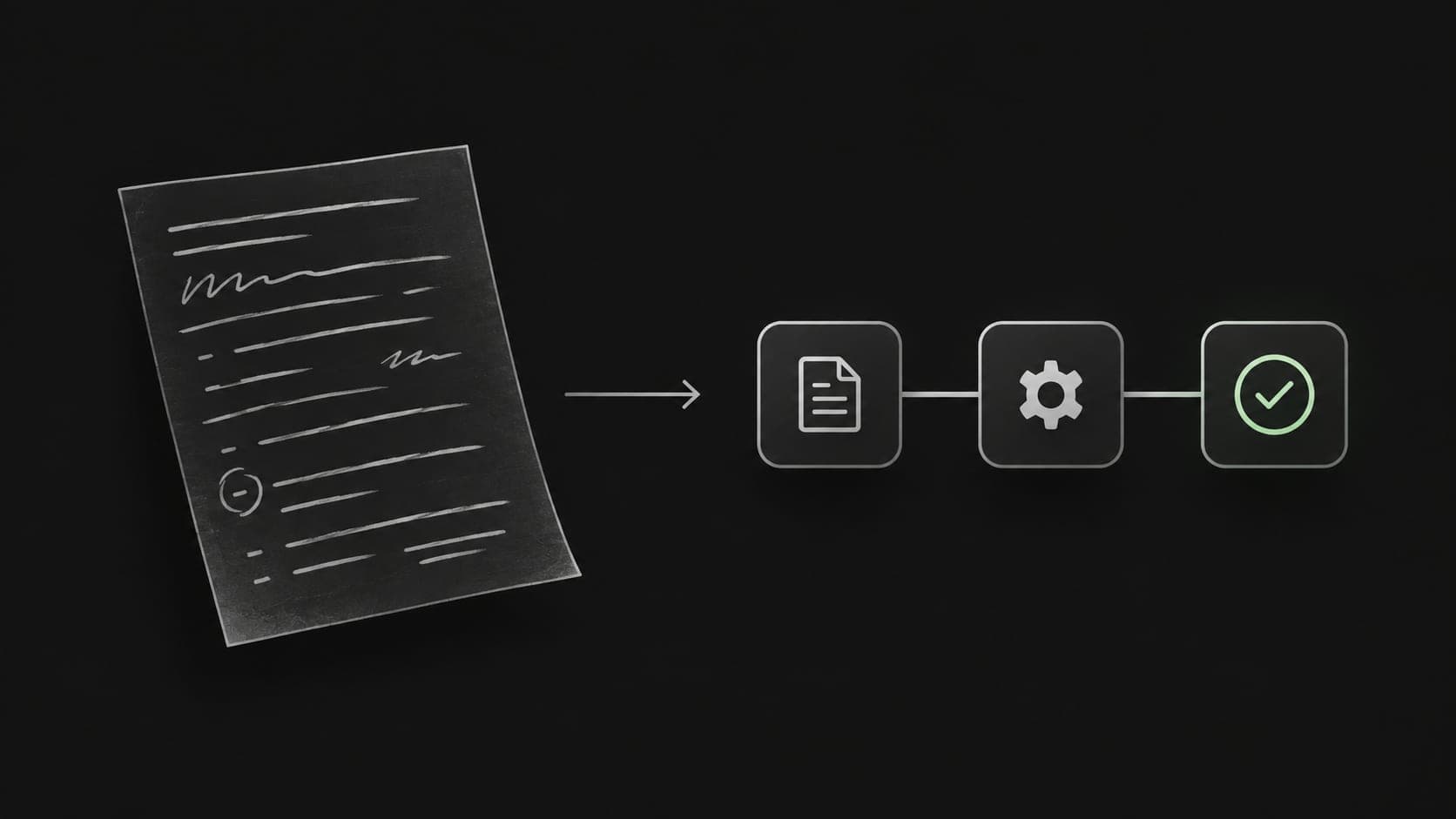
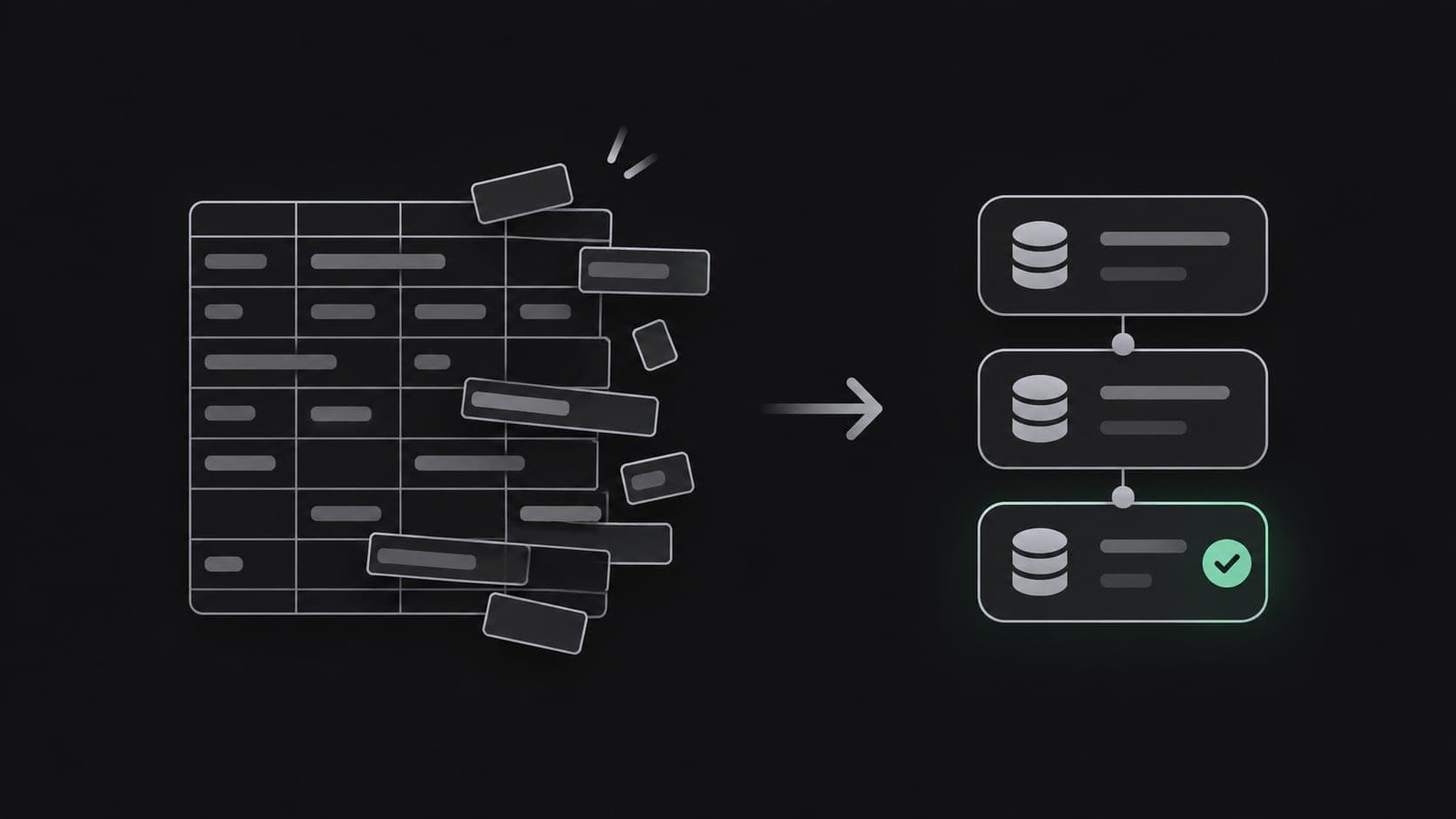
Spreadsheets are a perfectly reasonable way to run a small business. They're flexible, familiar, and free. The problem isn't that spreadsheets are bad — it's that they don't announce when they've stopped being enough. There's no warning message when a spreadsheet-based process quietly becomes the bottleneck holding the business back. Here are the signs worth paying attention to.
More than one person needs to update the same file
The moment two people need to edit "the" stock sheet, "the" customer list, or "the" order tracker at the same time, spreadsheets start working against you. Shared drive copies, version conflicts, and "who has the latest version?" messages are early symptoms of a system that has outgrown its tool, not a training problem.
You've built formulas to work around missing structure
If your spreadsheet has evolved into a maze of VLOOKUPs, nested IF statements, and tabs that reference other tabs, that complexity is a signal. You're not misusing spreadsheets — you're building an ad-hoc database inside a tool that was never designed to be one, without the safeguards (validation, permissions, audit history) a real system would give you for free.
Mistakes are showing up in ways that cost money
Double-booked orders, stock that's "in the system" but not on the shelf, an invoice sent twice, a customer detail that only lives in one person's copy of the file — these aren't isolated accidents. They're the predictable result of manual data entry at a volume that has outgrown manual accuracy.
Reporting takes real effort
If getting a simple answer — how much did we sell last month, what's actually low on stock, which clients haven't paid — requires opening several files, copying data around, and manually recalculating totals, that's time being spent on infrastructure the business shouldn't have to think about. A system should be able to answer these questions in seconds, not require a small project each time.
New hires need a manual just to use "the sheet"
When onboarding someone requires walking them through tab structure, color-coding conventions, and "don't touch this cell" warnings, the spreadsheet has become an undocumented piece of software — just without the reliability of actual software.
What comes next isn't necessarily complicated
Recognizing these signs doesn't mean the next step has to be an expensive, sprawling system. It usually means replacing the specific process that's causing pain — inventory, customer records, order tracking — with something built for that job specifically, while leaving everything else as it is. The goal isn't to digitize for its own sake. It's to stop losing time and accuracy to a tool that was never meant to carry this much weight.